
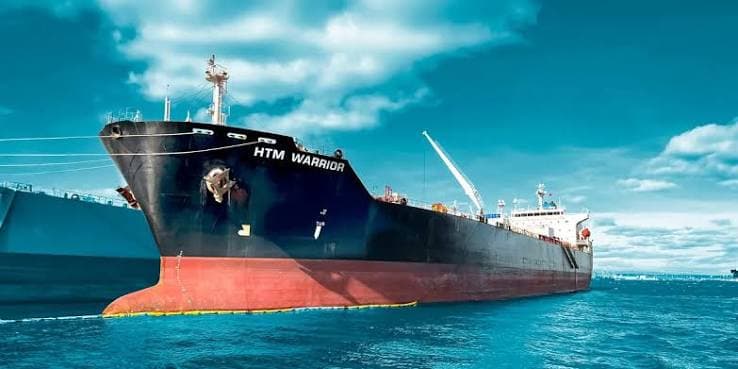
As attention remains focused on international shipping recovery, an equally important logistics transition has quietly reshaped the domestic US chemical market. The expiration of the temporary Jones Act waiver has restored the standard regulatory framework governing coastwise shipping, requiring domestic cargo transported between US ports to once again use US-built, US-flagged and US-crewed vessels.
For chemical producers, distributors and procurement professionals, this development affects far more than maritime regulation. It directly influences vessel availability, transportation costs and supply chain planning across one of the world's largest chemical markets.
The Temporary Waiver Has Ended
The emergency waiver introduced during the height of the Hormuz disruption temporarily allowed certain foreign-flag vessels to transport domestic cargo between US ports.
The measure helped increase shipping flexibility during a period when international logistics faced exceptional pressure.
During the waiver period, eligible cargoes included products such as:
Petroleum products.
Ethanol.
Ammonia.
Selected industrial chemicals.
With the waiver now expired, domestic coastwise transportation has returned to the long-established Jones Act framework.
Domestic Chemical Cargo Must Return to Jones Act Carriers
The immediate operational consequence is straightforward.
Any domestic waterborne chemical movements that shifted to foreign-flag vessels during the waiver period must now transition back to Jones Act-compliant operators.
For logistics managers, this requires:
Reviewing carrier contracts.
Confirming vessel availability.
Updating shipment schedules.
Recalculating domestic transportation costs.
Although the regulatory framework itself is familiar, market conditions differ significantly from those that existed before the Hormuz crisis.
Fleet Capacity Remains Under Pressure
The return to standard Jones Act requirements comes at a time when domestic tanker capacity continues facing operational pressure.
Several US-linked tanker assets experienced disruption during the broader Gulf shipping crisis, reducing available fleet flexibility during parts of H1.
As a result, domestic operators may experience:
Higher vessel utilisation.
Longer scheduling lead times.
Reduced spot market availability.
Greater competition for specialised chemical tanker capacity.
These factors contribute to a tighter domestic shipping environment than existed before the crisis.
Gulf Coast Distribution Costs Are Rising
The US Gulf Coast remains the country's largest petrochemical production hub.
Moving chemicals from Gulf Coast production facilities to customers along the East Coast or West Coast frequently depends upon domestic coastal shipping.
With Jones Act restrictions fully reinstated, buyers should expect transportation costs to reflect:
Limited domestic vessel availability.
Higher operating costs associated with the Jones Act fleet.
Increased scheduling complexity.
Continued pressure on domestic tanker capacity.
For many products, these logistics costs become an increasingly important component of total landed cost.
Procurement Teams Should Revisit Domestic Logistics Planning
The return to standard coastwise shipping requirements makes it appropriate for companies to reassess domestic distribution strategies.
Priority review areas include:
Existing transportation contracts.
Preferred carrier availability.
Domestic inventory positioning.
Alternative rail or truck options where commercially appropriate.
Long-term logistics budgeting.
A proactive review allows companies to identify potential capacity constraints before seasonal demand increases later in the year.
Capacity Constraints May Persist Beyond the Crisis
Although international shipping conditions continue improving, domestic US coastal transportation operates within a separate market governed by different regulatory and fleet dynamics.
The return to standard Jones Act requirements means that additional foreign-flag capacity is no longer available to supplement domestic shipping.
For chemical distributors, this creates several ongoing considerations:
Greater competition for specialised chemical tankers.
Earlier booking requirements during periods of high demand.
Reduced flexibility for last-minute shipment changes.
Potential increases in domestic freight rates.
Longer planning horizons for coastwise cargo movements.
Companies relying heavily on domestic marine transportation should therefore expect vessel scheduling to remain disciplined throughout H2.
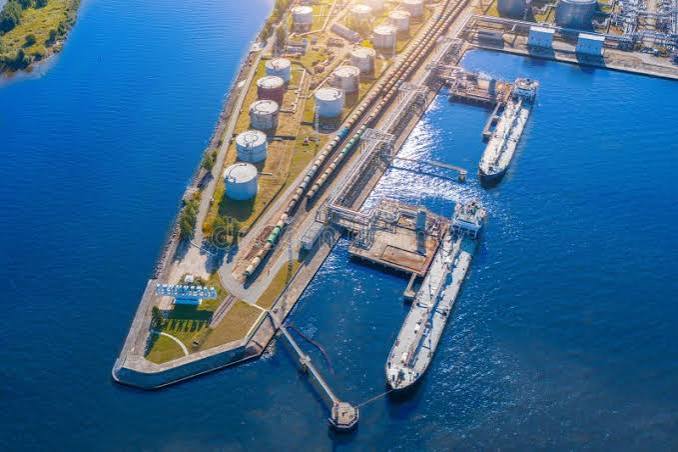
Domestic Logistics Costs Are Becoming a Larger Procurement Variable
As international freight markets gradually stabilise, domestic transportation costs are becoming a more prominent component of total procurement economics within the United States.
Procurement teams should increasingly evaluate:
Coastwise freight rates.
Vessel availability.
Terminal scheduling.
Inventory positioning.
Alternative transportation modes where commercially viable.
Rather than treating domestic shipping as a routine logistics function, companies should incorporate it into broader procurement planning alongside raw material pricing and production scheduling.
Alternative Logistics May Become More Attractive
For certain product categories and shipment volumes, companies may evaluate alternatives to domestic marine transportation.
Depending on cargo characteristics and destination, options may include:
Rail transportation for bulk chemicals.
Tank truck distribution for regional deliveries.
Pipeline infrastructure where available.
Strategic inventory placement closer to end-user markets.
Multi-modal logistics solutions combining rail and marine transport.
The optimal solution will depend on product type, delivery requirements and overall transportation economics.
Procurement Strategy Should Reflect the New Domestic Shipping Environment
The expiry of the temporary waiver reinforces the importance of proactive logistics planning.
Recommended actions include:
Confirm Jones Act-compliant vessel availability well in advance of shipment dates.
Review transportation agreements with domestic marine carriers.
Update logistics budgets to reflect current coastwise freight costs.
Coordinate procurement, logistics and inventory planning across business units.
Maintain contingency transportation options for critical chemical products.
This integrated approach helps minimise disruption while supporting reliable domestic distribution.
Looking Ahead to H2 2026
The expiration of the temporary Jones Act waiver marks the return of the US chemical industry to its normal coastwise shipping framework, but not to its pre-crisis operating environment.
While Gulf Coast production and international logistics continue improving, domestic marine transportation remains influenced by limited specialised vessel capacity, higher operating costs and increased competition for Jones Act-compliant ships. As a result, coastwise freight is likely to remain a significant cost component for chemical movements between Gulf Coast production centres and customers on the East and West Coasts.
For procurement professionals, the principal lesson is that domestic logistics now deserve the same strategic attention traditionally given to international supply chains. Companies that secure transportation capacity early, diversify logistics options where practical and integrate domestic freight planning into broader procurement strategies will be best positioned to maintain reliable supply and control distribution costs throughout H2 2026.
Ready to source industrial chemicals from verified global suppliers? Explore competitive offers on our platform today.
Ammonia Anhydrous CAS: 7664-41-7