Why Sodium Bicarbonate Matters in Modern Cleaning
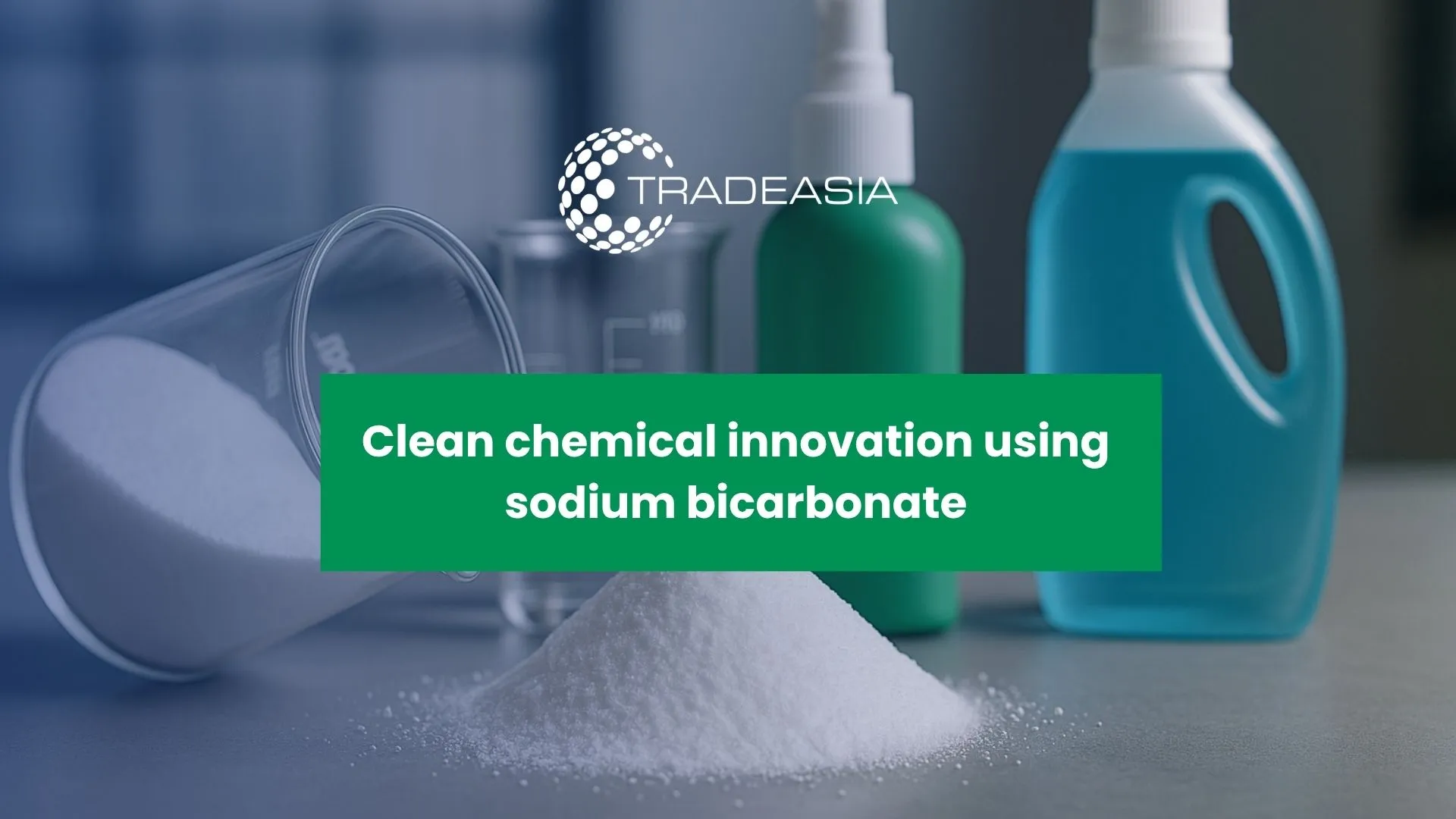
Sodium bicarbonate, commonly known as baking soda, has evolved from a household staple into a critical industrial ingredient, particularly within the cleaning chemicals sector. Its mild alkalinity, buffering capacity, deodorizing effect, and broad compatibility with surfactants have made it indispensable in both household and commercial cleaning formulations.
In Asia, rapid urbanization and rising hygiene awareness are pushing industries to adopt cleaning agents that are effective, safe, and environmentally friendly. Sodium bicarbonate fits this need perfectly due to its non-toxic nature, biodegradability, and low ecological impact. Unlike harsher alkaline alternatives, sodium bicarbonate offers cleaning power without generating hazardous byproducts.
The period from 2025 to 2035 marks a transformative decade for sodium bicarbonate within Asia’s cleaning chemical sector. As sustainability frameworks strengthen and consumers demand greener formulations, sodium bicarbonate is increasingly positioned as a core ingredient driving the transition to eco-conscious cleaning solutions.
Chemical Overview and Functional Properties
Sodium bicarbonate (NaHCO3) is a versatile alkaline compound with unique properties that enhance cleaning, neutralization, and stabilization in chemical formulations. Its pH buffering capability makes it ideal for balancing acidity without damaging surfaces, fabrics, or skin key factors in household cleaners, laundry powders, and personal care products.
The compound releases carbon dioxide upon thermal decomposition, aiding in mechanical cleaning through mild abrasiveness, making it suitable for scrubs, deodorizing powders, and industrial maintenance products. Additionally, sodium bicarbonate reacts with acids to produce neutral salts, enabling effective descaling and odor neutralization in multipurpose cleaners.
From a formulation perspective, sodium bicarbonate is prized for its compatibility with anionic and nonionic surfactants, stabilizing performance even in complex detergent systems. Its safe profile allows manufacturers to market cleaning solutions as non-toxic, kid-safe, and environmentally responsible, which significantly influences consumer purchasing behavior across Asia.
Market Overview: Asia’s Expanding Demand
Asia is the world’s fastest-growing market for sodium bicarbonate, accounting for nearly 45% of global consumption in 2025. This growth stems from the region’s booming detergent and cleaning industries, particularly in China, India, Indonesia, and Vietnam.
The market value of sodium bicarbonate in Asia is estimated at USD 2.3 billion in 2025 and is projected to reach USD 3.6 billion by 2035, registering a CAGR of 4.6%. Cleaning formulations represent one of the strongest contributing segments, second only to food-grade and pharmaceutical applications.
Singapore plays a strategic role as a logistics and formulation hub, linking global producers with Southeast Asian manufacturers. Its advanced R&D ecosystem encourages chemical innovation, positioning the city-state at the forefront of sustainable cleaning solutions that integrate sodium bicarbonate into next-generation formulations.
Sustainability and Environmental Drivers
-
Growing Demand for Green Cleaning Solutions
Across Asia, governments and consumers are increasingly concerned about the environmental impact of chemical cleaners. Sodium bicarbonate’s biodegradable and non-toxic profile makes it a preferred alternative to phosphates, strong alkalis, and synthetic builders that contribute to water pollution and health concerns. -
Alignment with Asian Sustainability Policies
Countries like Singapore, Japan, and South Korea are implementing stricter regulations on chemical emissions, packaging waste, and surfactant biodegradability. Sodium bicarbonate aligns seamlessly with these policies due to its minimal carbon footprint and safe waste profile. -
Circular Economy Integration
The compound can be produced using carbon capture pathways, where CO2 is converted into bicarbonate. Emerging technologies in China and India are scaling these methods, positioning sodium bicarbonate as a carbon utilization product supporting Asia’s circular economy initiatives.
Role of Sodium Bicarbonate in Cleaning Formulations
-
Surface and Household Cleaners
Sodium bicarbonate acts as both a mild abrasive and a deodorizer, ideal for bathroom cleaners, kitchen sprays, and all-purpose formulations. Its ability to soften water improves surfactant efficiency without requiring synthetic builders. -
Laundry Applications
In laundry detergents, sodium bicarbonate enhances whitening, odor removal, and pH control. It works synergistically with surfactants and oxygen-based bleaches, offering improved stain removal with reduced chemical load. -
Personal Care and Skin-friendly Products
Asian consumers increasingly seek gentle formulations for sensitive skin. Sodium bicarbonate is used in toothpaste, deodorants, exfoliating scrubs, and natural soaps for its balanced alkalinity and cleansing comfort. Its adaptability ensures strong market growth as brands shift toward clean-label formulations.
Technological Advancements in Production
-
Energy-efficient Manufacturing
Producers in China and India are modernizing production facilities with closed-loop systems that reduce energy use and waste, resulting in higher purity grades suitable for premium cleaning formulations. -
Carbon Capture-based Bicarbonate Synthesis
Innovative technologies converting industrial CO2 emissions into sodium bicarbonate are gaining traction. Singapore’s chemical sector supports pilot plants using CO2 mineralization, positioning bicarbonate as an environmentally restorative product. -
Advanced Granulation and Flowability Enhancements
Improved granulation methods produce bicarbonate that is less dusty, more soluble, and easier to blend in automated formulation lines vital for efficiency-focused producers in Southeast Asia.
Regional Insights Across Asia
-
China
China is the world’s largest producer and consumer of sodium bicarbonate. Demand is rising due to household cleaning growth and industrial transitions to sustainable ingredients. -
India
India’s detergent sector is rapidly expanding, particularly in rural markets where cost-efficient and safe cleaning solutions boost sodium bicarbonate usage. -
Southeast Asia
Indonesia, Malaysia, Thailand, and Vietnam demonstrate increasing adoption of green cleaning products, creating strong demand for industrial-grade bicarbonate supplied via Singapore.
Competitive Landscape and Key Producers
Major producers dominating Asia’s sodium bicarbonate supply include:
-
Tata Chemicals (India)
-
Solvay (Global/Asia)
-
Qingdao Soda Ash Industrial Co. (China)
-
GHCL Limited (India)
-
Tosoh Corporation (Japan)
These companies focus on sustainable production, R&D for food and cleaning applications, and regional expansion to meet Asia’s evolving cleaning chemical needs.
Outlook 2025 - 2035: Opportunities & Risks
- Opportunities
-
Rising demand for eco-friendly detergents
-
Expansion of carbon-neutral bicarbonate production
-
Growth of premium cleaning brands in Asia
-
Adoption of clean-label personal care products
-
-
Risks
-
Raw material cost volatility
-
Competition from alternative builders such as zeolites
-
Supply chain disruptions impacting Asia’s detergent sector
-
Despite these risks, sodium bicarbonate remains a strategic ingredient for sustainable cleaning innovation.
Conclusion
From 2025 to 2035, sodium bicarbonate will become a cornerstone of sustainable cleaning formulations across Asia, driven by regulatory change, consumer demand, and chemical innovation. Its safety, versatility, and environmental compatibility position it as one of the most future-ready ingredients in the cleaning chemical landscape.
As Asia’s markets grow and sustainability commitment deepens, sodium bicarbonate will continue shaping the next generation of efficient, responsible, and high-performance cleaning products. To learn more about sustainable sodium bicarbonate solutions or to partner in developing next-generation eco-friendly cleaning formulations, contact Detergent Chemicals Asia for expert support and reliable sourcing.