
Share this product
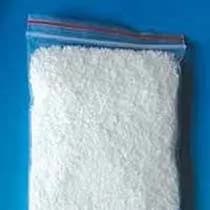
Sodium Lauryl Sulfate (NEEDLE 94%) - China
- Origin
- China
- CAS Number
- 151-21-3
- HS Code
- 3402.11.00
Basic Info
- IUPAC Name
- sodium dodecyl sulfate
- Molecular Formula
- C12H25NaO4S
- Molecular Weight (g/mol)
- 288.3800
- Synonyms & Trade Names
- Sodium lauryl sulfate; SDS; SLS; Sodium dodecyl sulfate; E487
- Purity / Assay (%)
- 94% min
- Grade / Quality Level
- Technical Grade
- Physical Form
- Solid
- Concentration
- Pure substance
- Appearance / Color
- White to off-white solid
- Odor
- Characteristic
- Solubility in Water
- Freely soluble
- Signal Word
- Warning
- GHS Hazard Class
- Skin irritant; Eye irritant
- H-Statements
- H315|H318
- P-Statements
- P264|P280|P305+P351+P338
- REACH Status
- Registered
- Drug Precursor Status
- Non-precursor
- Storage Class (GHS)
- 13
- Storage Conditions
- Cool, dry place
Categories
Technical Document
Brief Overview
SLS Needle 94% is a high-quality anionic surfactant widely used in the chemical and detergent industries. It is a white, needle-shaped powder and is ideal for creating foamy cleansers like shampoos and detergents. This anionic surfactant is known for its high foaming and wetting properties, can tolerate some water hardness, and is biodegradable, ensuring consistent foaming performance.
Manufacturing Process
SLS is synthesized by treating lauryl alcohol with sulfur trioxide gas, oleum, or chlorosulfuric acid to produce hydrogen lauryl sulfate. The industrially practiced method typically uses sulfur trioxide gas. The resulting product is then neutralized through the addition of sodium hydroxide or sodium carbonate. Lauryl alcohol is in turn usually derived from either coconut or palm kernel oil by hydrolysis, which liberates their fatty acids, followed by hydrogenation.
Due to this synthesis method, commercial samples of SLS are often a mixture of other alkyl sulfates, dodecyl sulfate being the main component. SLS is available commercially in powder and pellet forms. It seems the pellet form dissolves faster than the powder form in water.