Surfactants are among the most widely used specialty chemicals in the world, forming the foundation of detergents, shampoos, household cleaners, industrial degreasers, disinfectants, cosmetics, textile auxiliaries, agrochemical formulations, and numerous other products. Their primary function is to reduce the surface tension between liquids, solids, or oils, allowing water to spread more effectively, remove soils, emulsify oils, generate foam, or disperse particles. Although surfactants are often discussed as a single product category, they are actually divided into four major classes based on the electrical charge they carry when dissolved in water. This classification determines how they interact with soils, surfaces, other formulation ingredients, and even one another. For procurement professionals, understanding these classes is essential because surfactants with different charge characteristics are designed for fundamentally different applications. Purchasing decisions therefore involve selecting the appropriate chemical family rather than simply comparing products that appear to perform similar functions.
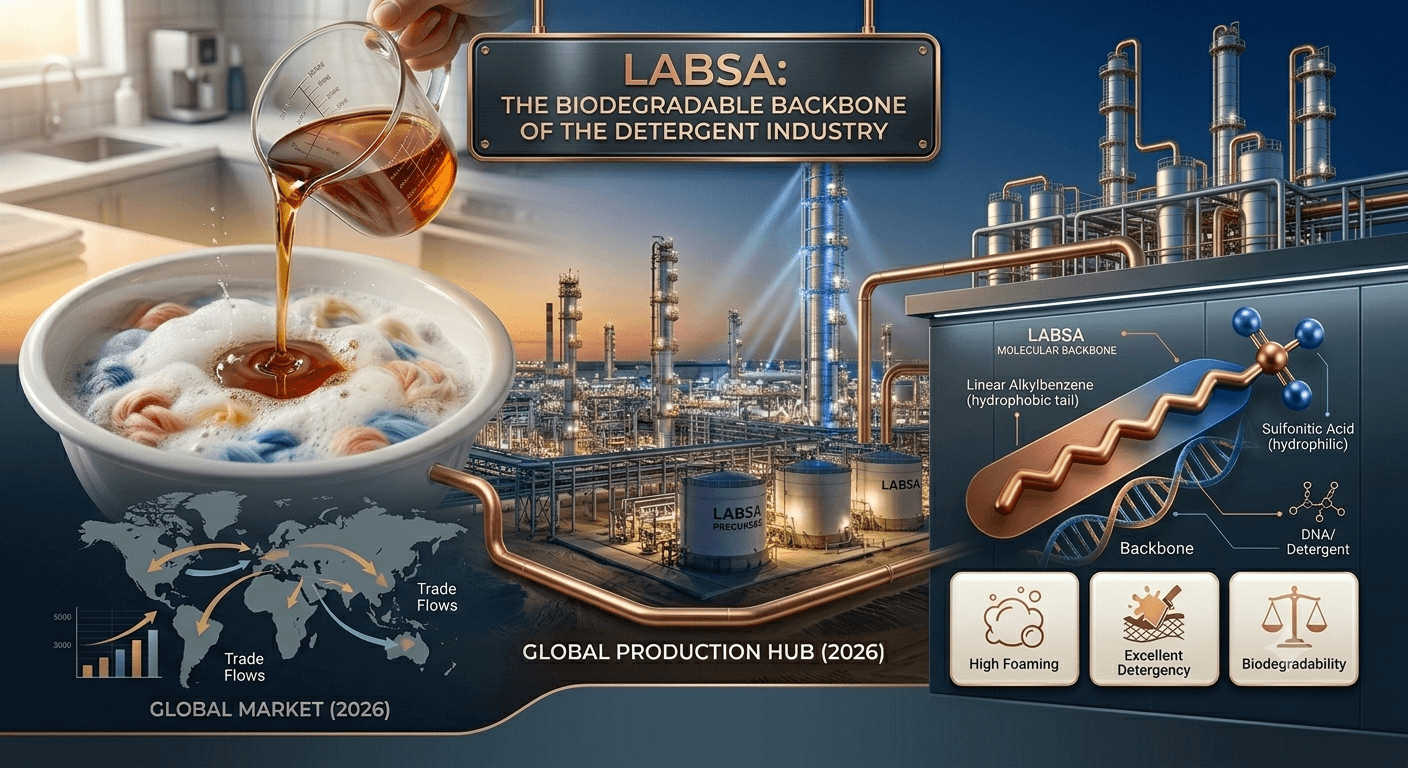
The largest category is anionic surfactants, which carry a negative electrical charge in solution and are widely recognised for their excellent detergency, foaming, and grease-removal performance. A common example is Linear alkylbenzene sulfonic acid, the principal raw material used in many household laundry detergents and industrial cleaning formulations. Cationic surfactants, by contrast, carry a positive charge and are valued less for cleaning power than for their ability to adsorb onto negatively charged surfaces. This makes Quaternary ammonium compounds, often called quats, particularly useful in disinfectants, fabric softeners, hair conditioners, and antimicrobial formulations. Non-ionic surfactants possess no electrical charge, making them highly compatible with many formulation systems and less sensitive to water hardness. Products such as Alcohol ethoxylates are widely used in household cleaners, industrial detergents, agrochemical formulations, and emulsification processes because they provide excellent wetting and grease removal without relying heavily on foam generation. The fourth category, amphoteric surfactants, can exhibit either positive or negative charge depending on the surrounding pH. Betaines are commonly used in personal care products because they combine mildness with good foam stability and compatibility with other surfactant types, making them especially valuable in shampoos, facial cleansers, and body washes.
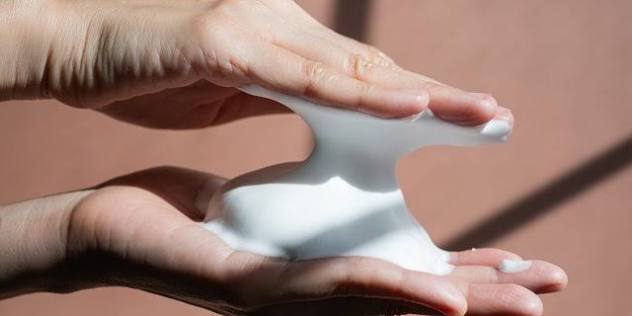
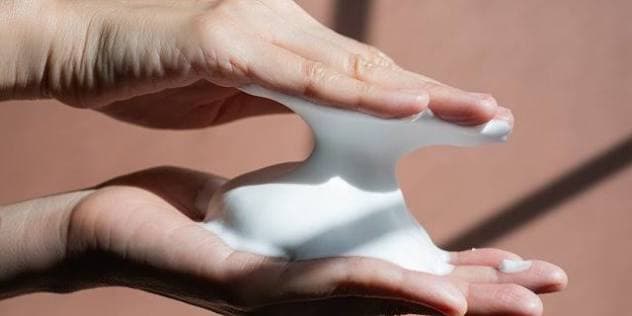
Although all surfactants reduce surface tension, their performance characteristics differ significantly because of their molecular structure and electrical behaviour. Anionic surfactants generally provide strong cleaning performance and abundant foam, making them suitable for heavy-duty detergents and household cleaning products. Cationic surfactants excel in conditioning, antistatic performance, and antimicrobial activity but are typically incompatible with anionic surfactants because the opposite charges can neutralise each other. Non-ionic surfactants offer excellent compatibility with a wide variety of formulation ingredients and often perform well under challenging conditions such as hard water or elevated temperatures. Amphoteric surfactants contribute mildness, foam stability, and formulation flexibility, particularly in products intended for direct skin contact. These functional differences explain why manufacturers carefully select surfactant systems based on application requirements rather than relying on a single universal product. Performance depends not only on cleaning efficiency but also on compatibility, stability, foaming behaviour, and end-use requirements.
For procurement professionals, this means surfactants should be evaluated as functional ingredients rather than interchangeable commodities. Substituting an anionic surfactant with a non-ionic or cationic alternative is rarely a straightforward purchasing decision because each class contributes different physical and chemical properties to the final formulation. Even replacing one surfactant within the same class may require adjustments to viscosity, pH, preservative systems, fragrance compatibility, or overall product performance. Procurement teams working in detergents, personal care, industrial cleaning, or specialty formulations should therefore collaborate closely with formulation and technical teams before approving alternative suppliers or chemistries. Supplier selection should consider not only price and availability but also performance specifications, formulation compatibility, regulatory requirements, and long-term product consistency. Understanding the four surfactant classes provides a valuable foundation for interpreting supplier quotations, evaluating technical alternatives, and managing formulation risk. In modern specialty chemical procurement, successful sourcing depends not only on buying the right ingredient but also on understanding why its chemical classification determines how it performs within the complete formulation.
Looking for surfactant procurement intelligence or specialty chemical market insights? Understanding the four surfactant classes helps buyers evaluate formulations, compare suppliers, and make informed sourcing decisions across detergents, personal care, and industrial cleaning applications.
Ferrous Sulphate Heptahydrate CAS: 7782-63-0