The Rise of Palm Acid Oil in Detergents
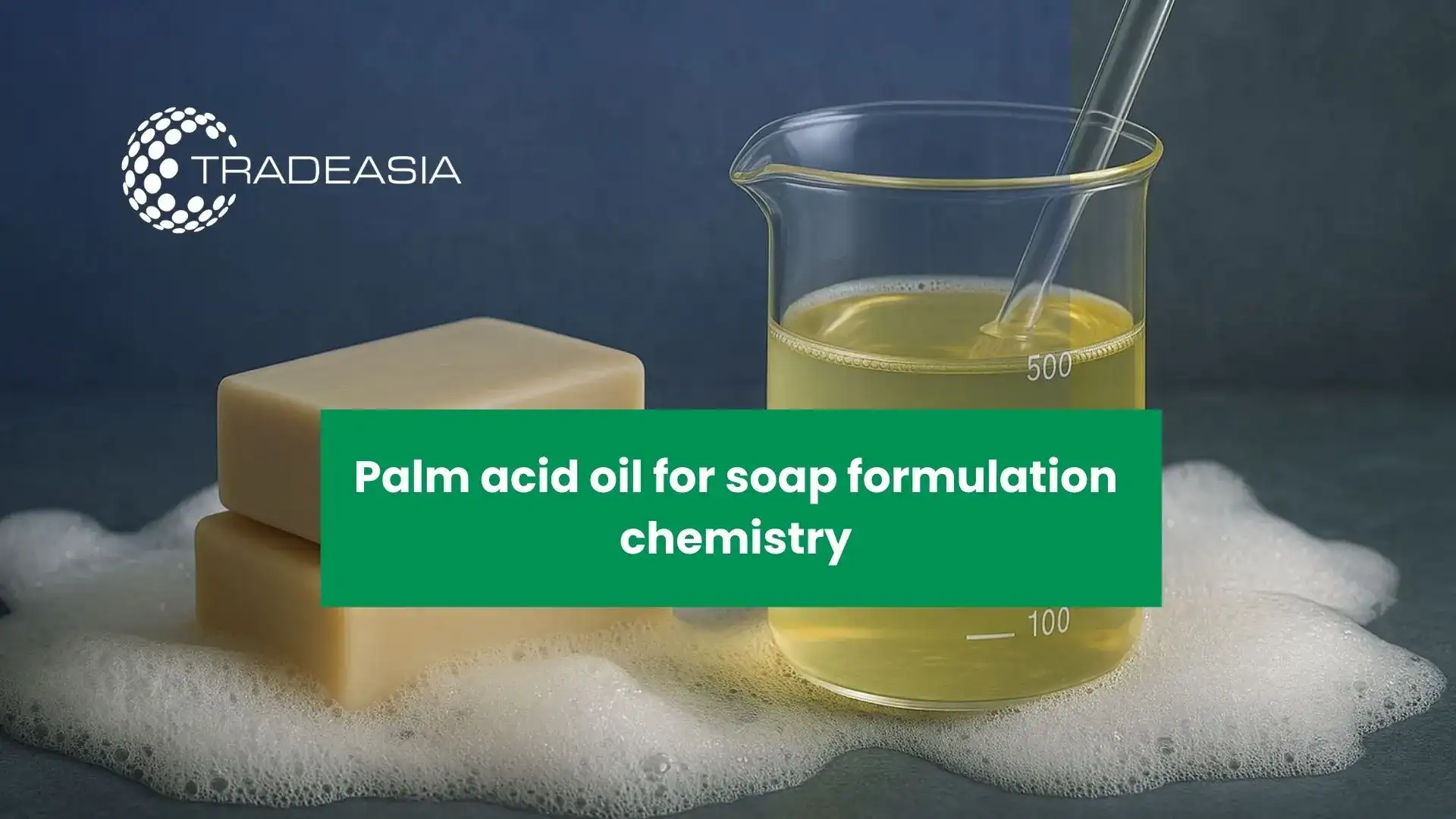
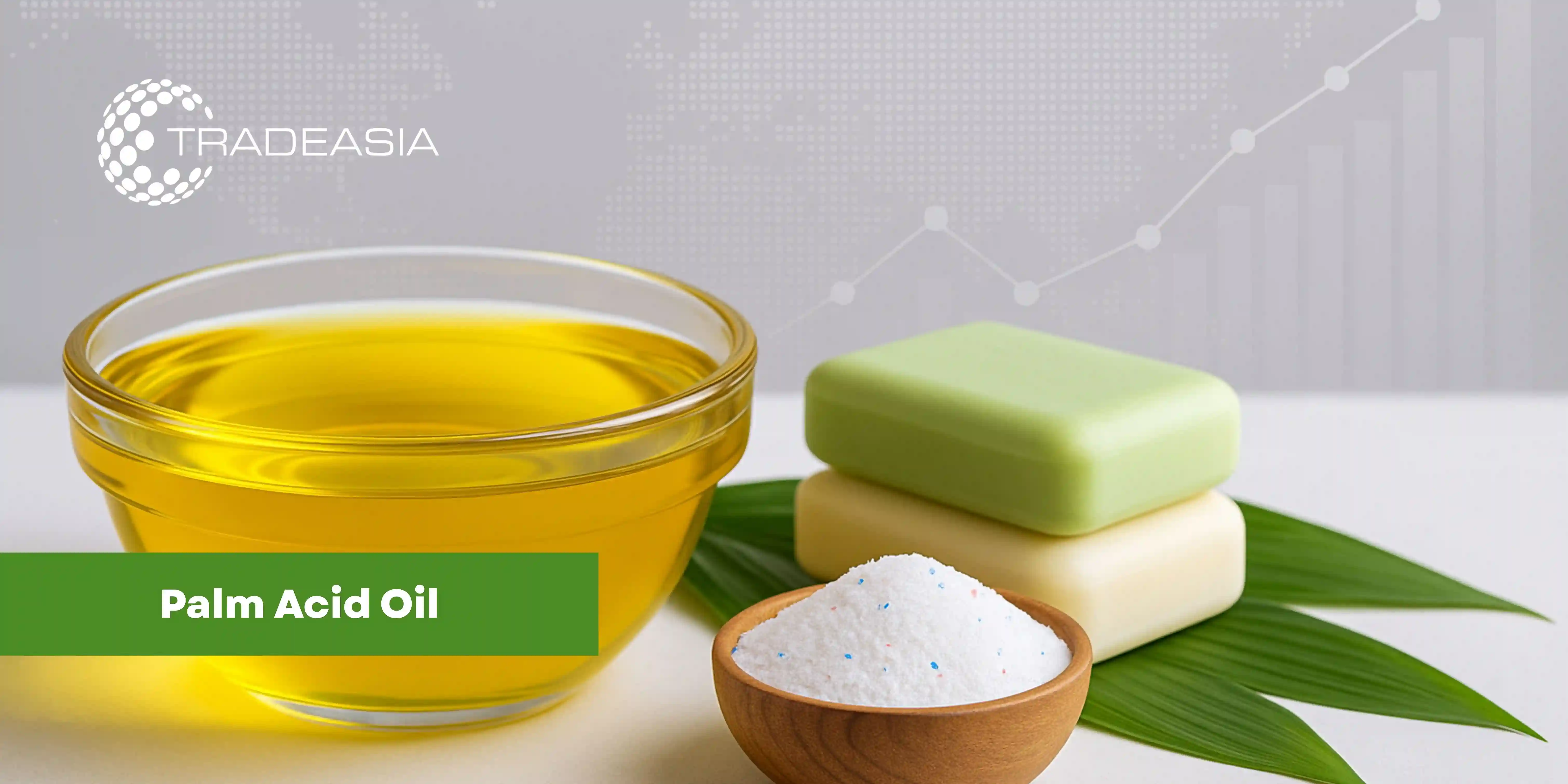
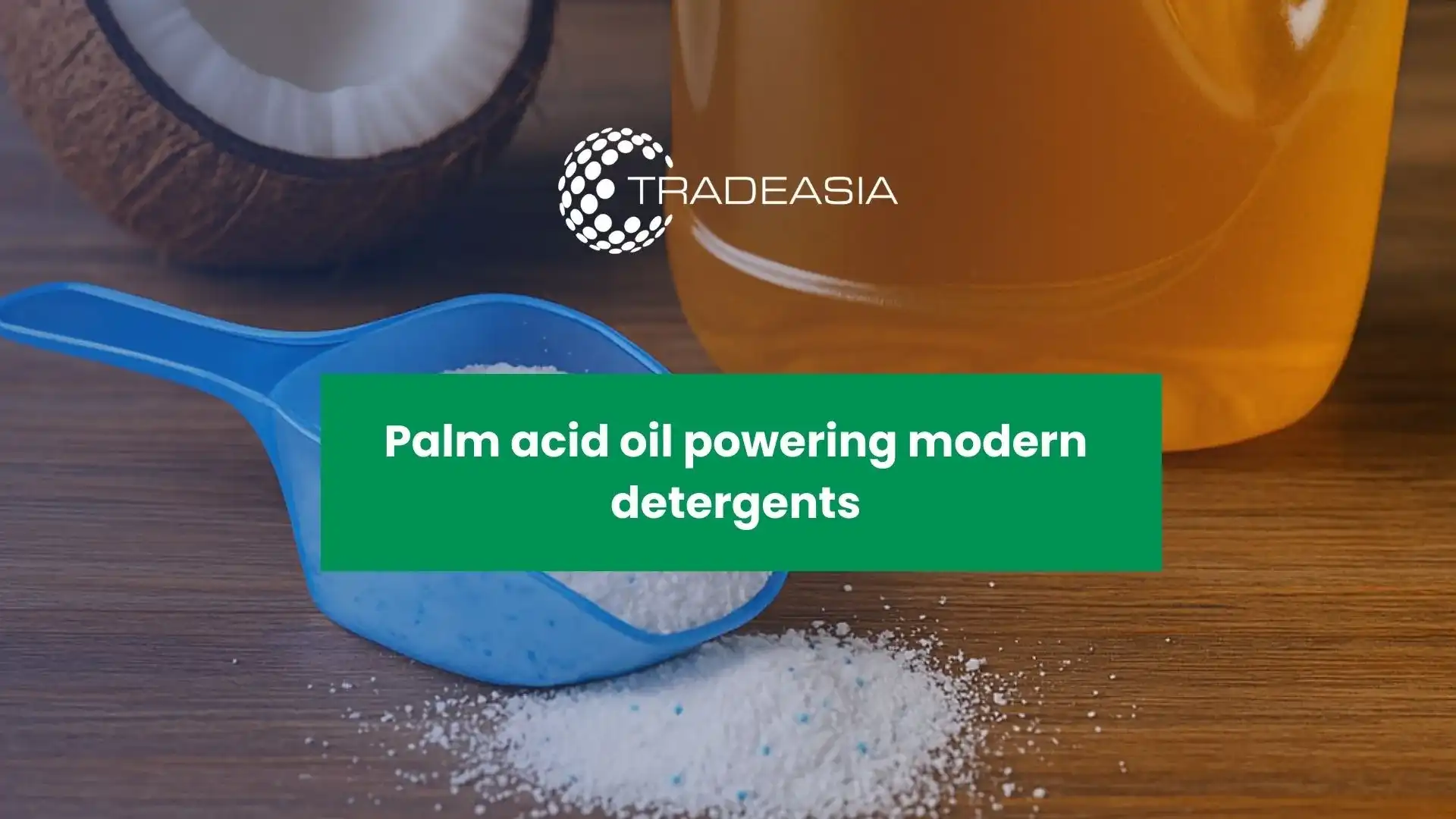
Palm Acid Oil (PAO), once considered a low-value byproduct of palm oil refining, has rapidly risen in importance as a cost-efficient, functional, and sustainable feedstock for detergent and soap production. With Asia serving as the world’s largest producer and consumer of cleaning chemicals, PAO has become a critical raw material for modern surfactant and soap formulations.
As consumer demand for effective, affordable, and eco-friendly cleaning solutions increases, manufacturers are re-evaluating traditional ingredient systems and shifting toward renewable oleochemical feedstocks. PAO fits perfectly into this transition, offering performance, availability, and cost benefits that synthetic petroleum-based alternatives struggle to match.
Across Asia from Indonesia and Malaysia to India and China PAO is reshaping the detergent industry. Its growing adoption reflects broader trends in circular economy practices, sustainable chemistry, and resource optimization. As the next decade unfolds, PAO is expected to become even more essential in powering the region’s cleaning chemical supply chain.
Understanding Palm Acid Oil: Composition and Origin
Palm Acid Oil is produced during the physical refining of palm oil, particularly in deodorization and hydrolysis steps. It consists primarily of free fatty acids (FFA), with concentrations typically ranging from 40% to 70%, along with small amounts of neutral oil, moisture, and impurities.
The fatty acid profile of PAO is predominantly palmitic acid and oleic acid, making it structurally similar to crude palm oil but more concentrated in free acids. These fatty acids are highly suitable for soap and detergent synthesis due to their strong surfactant potential.
Although PAO was historically used in animal feed, biodiesel, and industrial applications, the chemical industry has increasingly recognized its value as a versatile input for surfactant and soap production. For detergent manufacturers, PAO offers a more economical and sustainable alternative to refined palm oil, fatty alcohols, and petroleum-derived ingredients.
Global and Asian Market Dynamics
The global PAO market is strongly centered in Asia, home to over 85% of palm oil production, with Indonesia and Malaysia being the largest producers. This concentration makes the region the natural center for downstream oleochemical industries, including detergent manufacturing.
Demand for PAO is projected to grow at 4.5% CAGR between 2025 and 2035, driven by increased detergent consumption, industrial cleaning needs, and the global shift toward bio-based raw materials. As emerging markets such as Bangladesh, Vietnam, and the Philippines expand detergent production capacity, PAO is increasingly seen as a strategic feedstock.
Singapore plays a key role in this ecosystem as a trade, refining, storage, and distribution hub for oleochemicals. Its world-class logistics infrastructure and strong chemical processing industry position it as a central node in the PAO supply chain across Asia-Pacific.
Why PAO is Ideal for Detergent Manufacturing
-
Excellent Surfactant Feedstock
PAO’s high FFA content makes it ideal for producing soap noodles and surfactants through saponification and esterification processes. Its fatty acids contribute to strong foaming, cleaning power, and emulsification essential properties for both household and industrial detergents. -
Cost Competitiveness
Compared to refined palm oil, fatty alcohols, or synthetic surfactants, PAO is significantly more affordable, making it attractive for mass-market detergent brands operating in price-sensitive Asian markets. -
Functional Flexibility
PAO can be converted into:-
Soap noodles
-
Fatty acid methyl esters (FAME)
-
Fatty alcohols
-
Detergent intermediates such as LABS and MES
-
This versatility supports a wide range of cleaning product applications.
Role in Soaps, Laundry Detergents, and Cleaning Agents
-
Soap Noodle Production
PAO is commonly used to make 80/20 or 70/30 soap noodle formulations, offering excellent hardness, lathering, and mildness. This makes it suitable for both bathing soaps and laundry bars, especially in cost-sensitive markets. -
Powder and Liquid Detergents
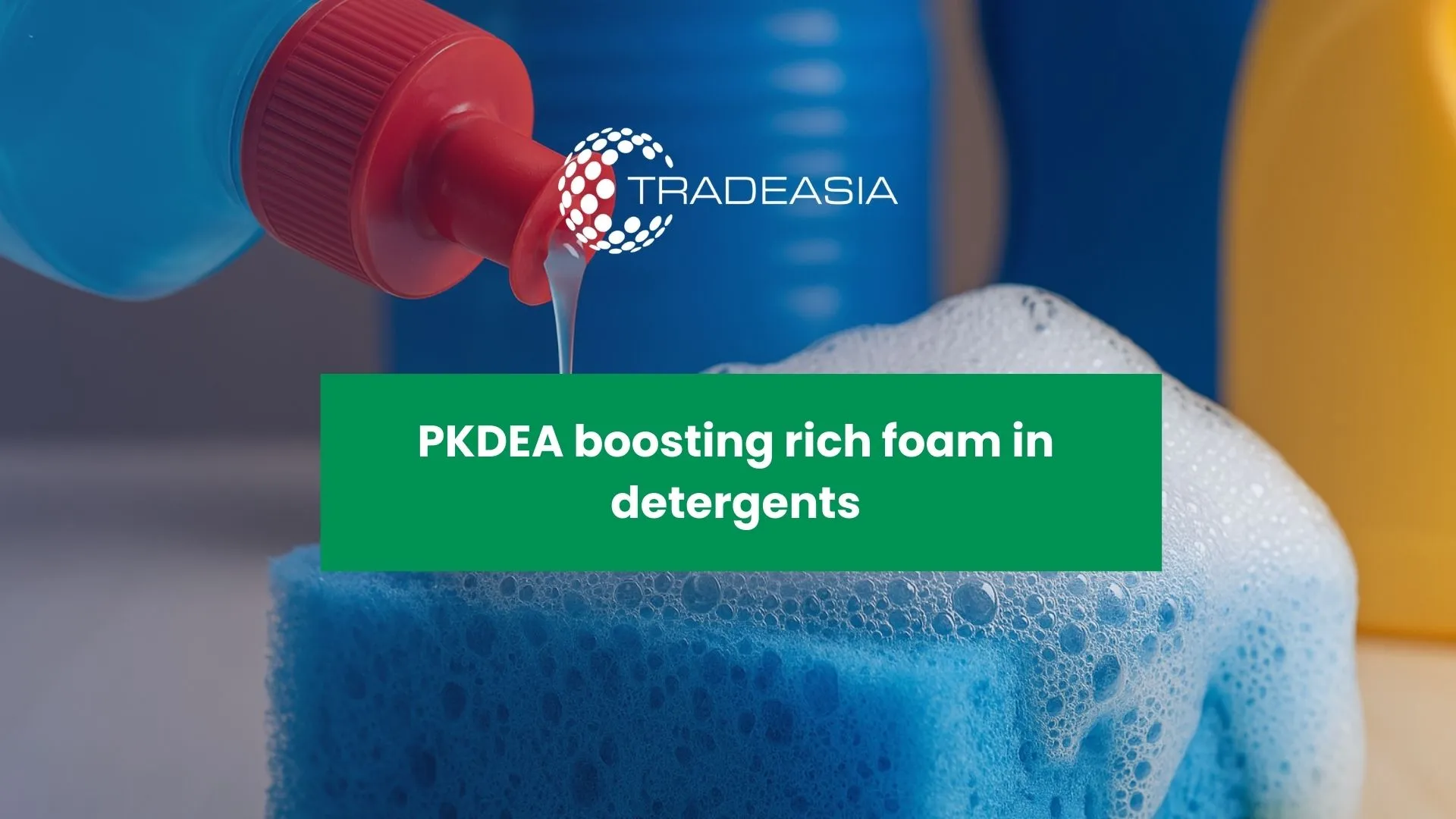
In powder detergents, PAO-derived fatty acids improve foam stability and stain removal, while in liquid detergents, they enhance viscosity and cleaning efficiency. -
Industrial Cleaning Agents
PAO-based surfactants are widely used in degreasers, disinfectants, and industrial cleaners due to their strong emulsifying properties and ability to break down oily residues.
Sustainability Advantages and Circular Economy Value
- From Waste to Resource
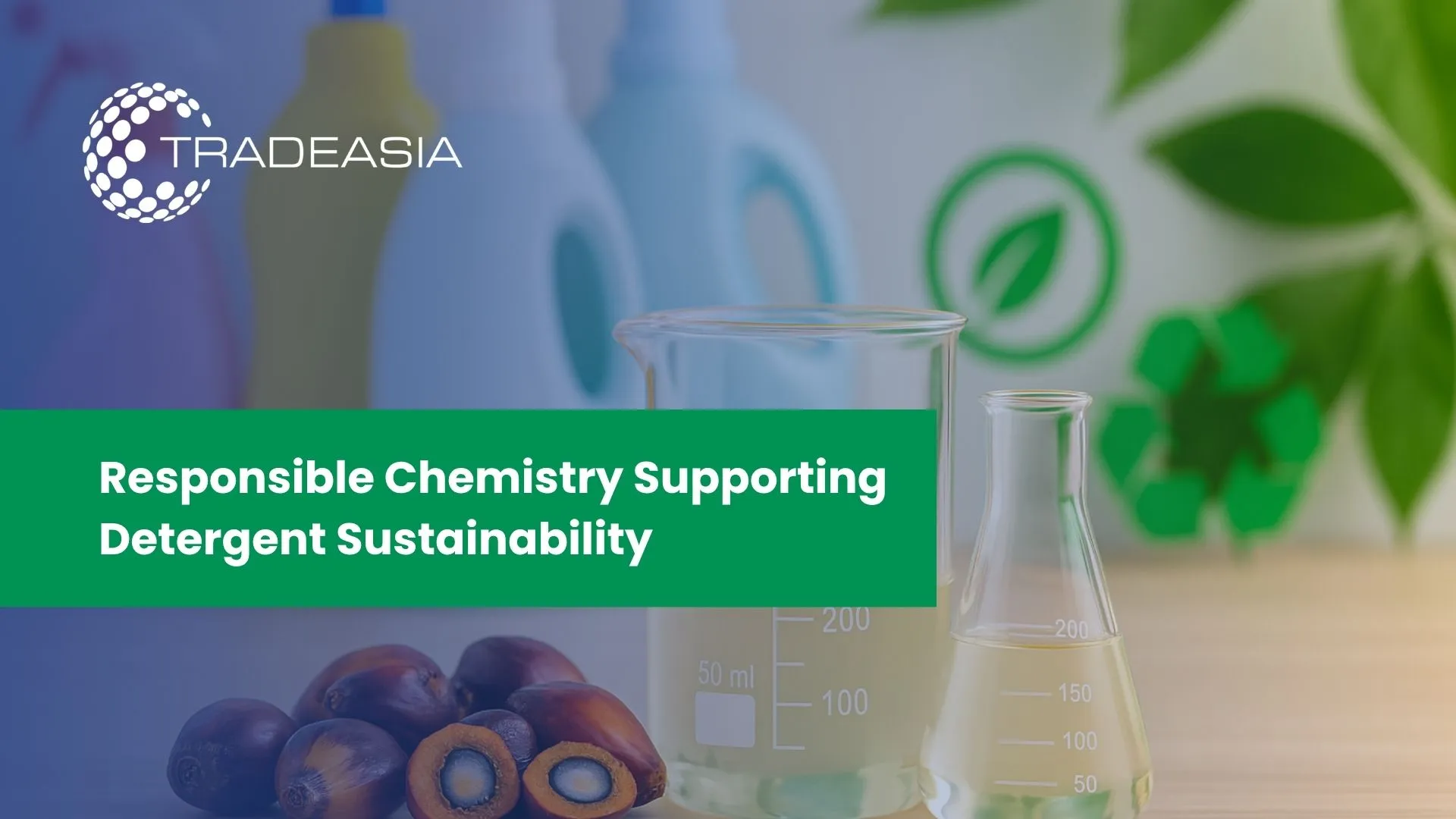
PAO represents a successful circular economy story: turning a low-value refining byproduct into a high-value feedstock for essential consumer goods. This reduces waste and maximizes resource efficiency. - Renewable and Biodegradable
Unlike petrochemical-derived surfactants, PAO-derived surfactants are renewable and naturally biodegradable, aligning with Asia’s sustainability commitments. - Lower Carbon Footprint
PAO production requires fewer processing steps than refined palm oil or oleochemical derivatives, resulting in lower emissions and reduced environmental impact.
Technological Advancements in PAO Processing
-
Improved Refining and Fractionation
New refining technologies enable more efficient FFA extraction and separation, providing manufacturers with consistent-quality PAO suitable for high-performance detergents. -
Enzymatic Conversion Processes
Enzyme-based saponification and esterification reduce energy consumption and improve purity a major focus for Singapore’s chemical R&D ecosystem. -
Specialty Surfactant Development
Manufacturers in China, Japan, and Singapore are developing specialty surfactants (like MES, Methyl Ester Sulfonate) from PAO, which offer superior biodegradability and performance.
Singapore & Asia’s Strategic Role in PAO Supply
-
Singapore as a Processing & Trading Hub
With major oleochemical companies operating on Jurong Island, Singapore acts as a gateway connecting PAO producers in Indonesia/Malaysia to detergent manufacturers across Asia. -
ASEAN Detergent Market Growth
Southeast Asia’s rising population and hygiene awareness drive detergent demand increasing PAO consumption in Vietnam, Thailand, Malaysia, and the Philippines. -
China & India as Mega Consumers
China and India’s massive detergent markets account for over 40% of global PAO consumption, making them central to the industry’s growth trajectory.
Market Outlook 2025–2035: Opportunities, Risks, and Growth Drivers
- Opportunities
-
Growing preference for bio-based surfactants
-
Expansion of MES and natural soap production
-
Demand growth in emerging Asian detergent markets
-
Sustainability-driven reformulation of cleaning products
-
-
Risks
-
Price volatility in palm oil markets
-
Environmental concerns related to palm cultivation
-
Competition with refined palm oil and other oleochemicals
-
-
Long-Term Forecast
PAO demand is predicted to rise steadily as manufacturers pivot toward renewable, affordable, and high-performance feedstocks for cleaning product innovation.
Conclusion
Palm Acid Oil has transformed from a simple byproduct of palm refining into a high-value, essential ingredient powering detergents across Asia. Its fatty acid richness, cost-effectiveness, and sustainability advantages position it as a cornerstone of modern cleaning chemical production.
As Asia continues to dominate global palm oil and detergent manufacturing, PAO will play an increasingly strategic role in shaping sustainable and efficient cleaning formulations. Singapore’s leadership in chemical innovation, logistics, and oleochemical processing further supports PAO’s long-term growth and industry relevance.
Looking ahead to 2035, PAO’s importance will only grow as global markets embrace cleaner chemistry, circular economy practices, and renewable feedstocks securing its place as a future-proof detergent ingredient. For sourcing guidance, product support, or tailored solutions related to Palm Acid Oil for detergent manufacturing, you can reach our team through the Contact Us page at Detergent Chemicals Asia.