Explore our network of country and industry based websites to access localized information, product offerings, and business services across our group.
Log in to start sending quotation requests for any product.
Don't have an account? Sign Up Here
Home Soda Ash Light: Essential Chemical for Asia Industries
Trade Insights | Applications and Buyers | 22 December 2025
Introduction
What is Soda Ash Light? Product Specifications and Grades
Key Applications of Soda Ash Light Across Asian Industries
The Asian Market for Soda Ash Light: Trends and Insights
Sourcing Soda Ash Light in Asia: A Guide for Buyers
Conclusion
The chemical industry forms the backbone of modern manufacturing, providing essential raw materials that fuel growth across continents. In the dynamic and rapidly expanding markets of Asia, one industrial workhorse stands out for its versatility and widespread application: Soda Ash Light, also known as light sodium carbonate. This seemingly simple compound, with the chemical formula Na₂CO₃, is a cornerstone for numerous sectors, from glass production and detergent manufacturing to water treatment and metallurgy. Its role in Asia's industrial ascent cannot be overstated, as it directly supports the region's infrastructure development, consumer goods production, and environmental management initiatives.
As Asia continues to be the global engine for manufacturing and economic growth, the demand for reliable, high-quality chemical inputs like Soda Ash Light has surged. Countries like China, India, Indonesia, and Vietnam are not only major consumers but also significant producers, creating a complex and vital supply chain. Understanding this chemical, its properties, applications, market dynamics, and sourcing considerations, is crucial for businesses aiming to optimize their operations and maintain a competitive edge in the Asian landscape. This article delves deep into the world of Soda Ash Light, offering a comprehensive guide for industry professionals across the region.
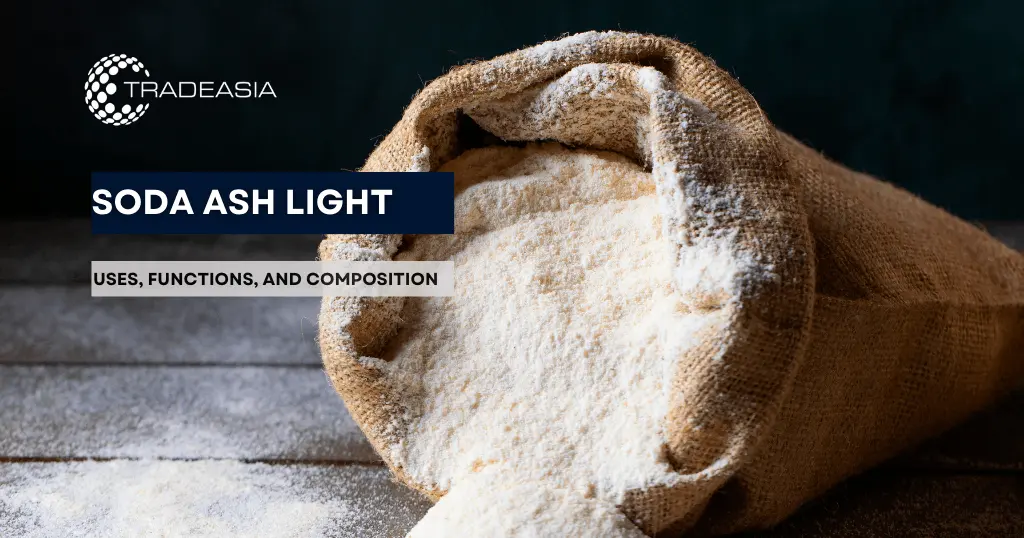
Soda Ash Light is a fine, white, powdered form of sodium carbonate. It is distinguished from its counterpart, Soda Ash Dense, primarily by its lower bulk density and smaller particle size. This physical characteristic makes it dissolve more rapidly in aqueous solutions, a property highly valued in many chemical processes and manufacturing applications. The "light" designation refers to this physical form, not a difference in chemical purity. It is typically produced via the Solvay process or, increasingly in Asia, from naturally occurring trona ore.
In terms of specifications, industrial-grade Soda Ash Light typically boasts a high purity level, often exceeding 99% Na₂CO₃. Key parameters monitored by suppliers and buyers include alkalinity (as Na₂CO₃), chloride content (as NaCl), iron (Fe) content, and water-insoluble matter. For instance, a premium grade might specify: Na₂CO₃ content ≥ 99.2%, NaCl ≤ 0.5%, Fe ≤ 0.003%, and bulk density around 500-600 kg/m³. These specifications are critical as they directly impact the efficiency and quality of the end products in which Soda Ash Light is used. Impurities like iron can cause discoloration in glass, while chloride levels can affect corrosion in equipment.
Different industries may require specific grades. The detergent industry, for example, prioritizes fast dissolution and consistent alkalinity. The chemical manufacturing sector might focus on ultra-low heavy metal content. Reputable suppliers and platforms catering to the Asian market, such as chemtradeasia.sg, provide detailed technical data sheets to ensure buyers can select the exact grade that matches their process requirements, facilitating smooth and reliable procurement for diverse industrial needs.
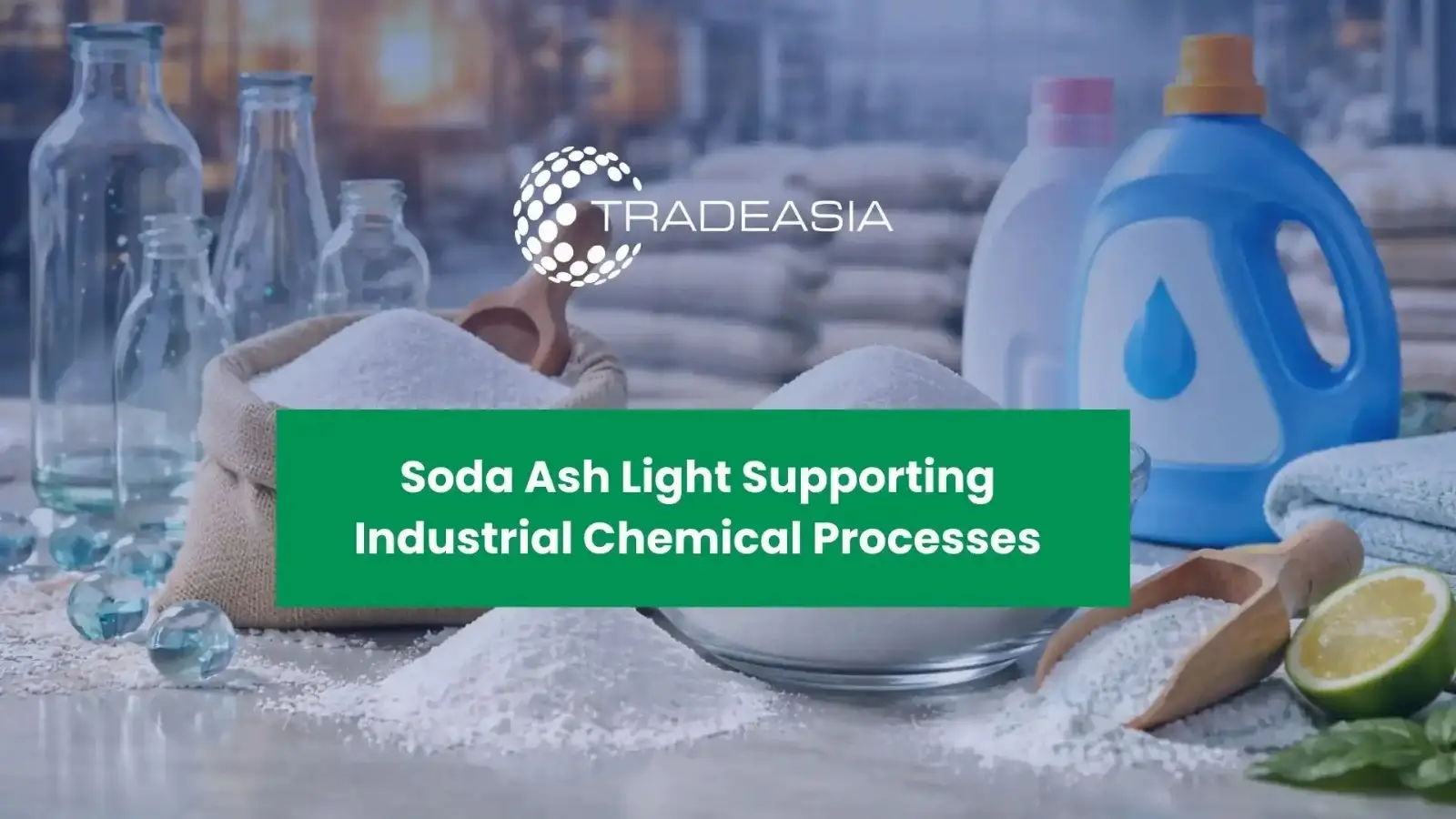
The utility of Soda Ash Light spans a remarkable range of industries, making it a truly multifunctional chemical. Its primary role is as a source of alkalinity (sodium ions and carbonate ions), which drives countless reactions and processes. In Asia, with its massive manufacturing base, the consumption patterns reflect both traditional heavy industry and modern consumer goods production.
The Glass Industry is the single largest consumer, accounting for approximately half of global soda ash demand. In the production of container glass, flat glass for construction and automobiles, and specialty glass, Soda Ash Light is a fundamental fluxing agent. It lowers the melting point of silica sand, significantly reducing the energy required in furnaces. As Asia undergoes unprecedented urbanization and infrastructure development, the demand for flat glass from China, India, and Southeast Asia continues to drive substantial consumption of Soda Ash Light.
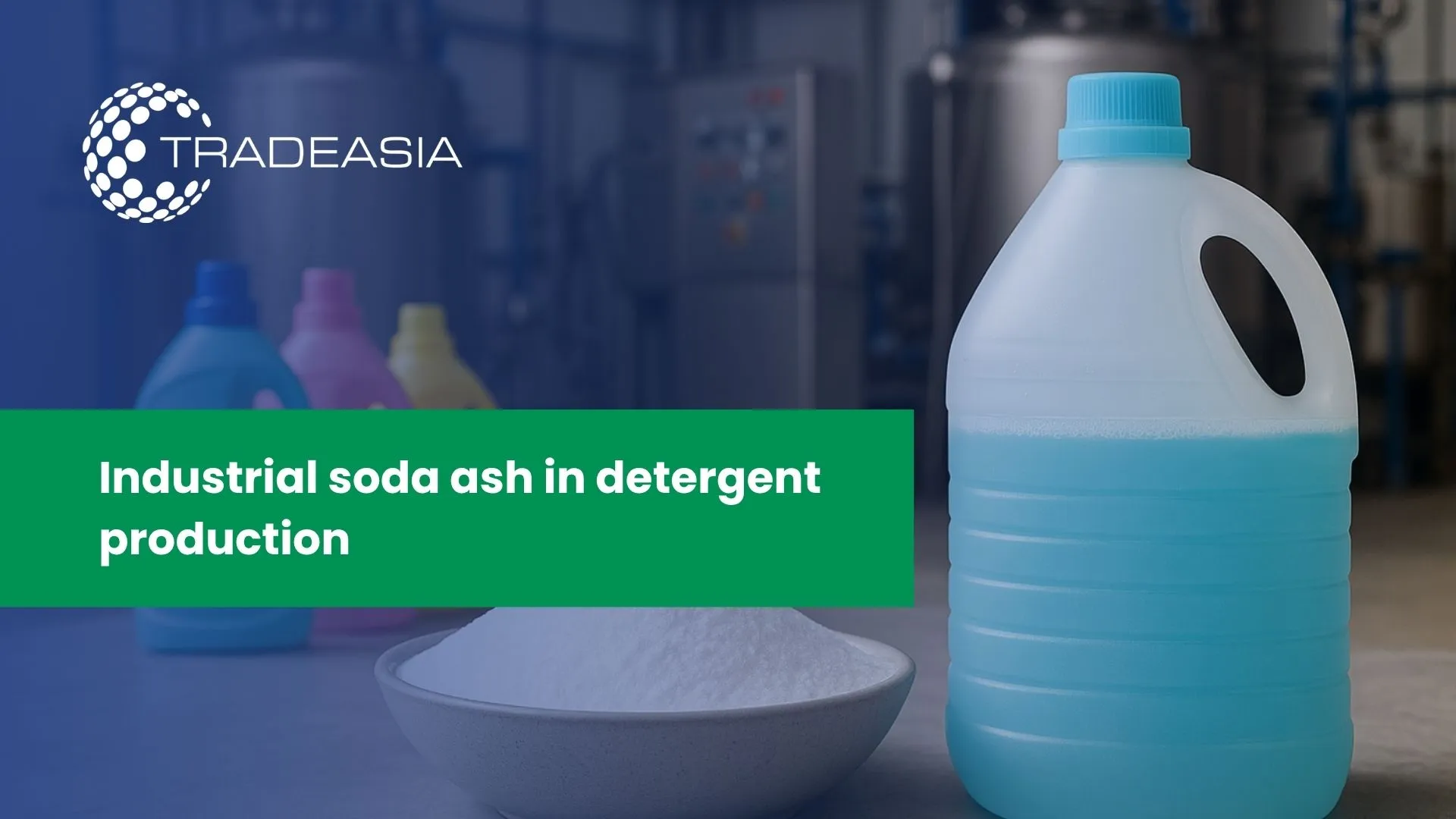
The Detergent and Soap Manufacturing sector is another major end-user. Here, Soda Ash Light acts as a builder, softening water by precipitating calcium and magnesium ions, which allows the surfactant to work more effectively. Its rapid dissolution is particularly beneficial in the production of powdered detergents and laundry aids, a huge market in Asia's populous nations. Furthermore, in Chemical Manufacturing, it is a key raw material for producing sodium silicate, sodium bicarbonate, sodium chromate, and various other compounds. Other vital applications include Water Treatment, where it adjusts pH and removes hardness; Metallurgy for refining ores; and the Pulp and Paper industry, where it is used in chemical recovery and pH control processes.
The Asia-Pacific region dominates the global Soda Ash Light market, both in terms of production and consumption. China is the world's largest producer and consumer, with massive integrated chemical plants. India follows as a significant player, with growing domestic demand and export ambitions. This regional concentration creates a market influenced by local economic policies, energy costs (as production is energy-intensive), and environmental regulations.
A key trend shaping the market is the shift towards natural soda ash production. While the synthetic Solvay process is still prevalent, mining natural trona ore (as done extensively in the US and, increasingly, in regions like Turkey and China) is often more cost-effective and environmentally friendly, producing less waste. Asian manufacturers are investing in technology to leverage natural sources where available. Another significant trend is the tightening of environmental standards across Asia. Governments are imposing stricter controls on emissions and wastewater from chemical plants, which may impact production costs and supply stability, potentially favoring suppliers with robust environmental management systems.
Demand growth is closely tied to regional GDP growth and industrialization. Southeast Asian nations like Vietnam, Indonesia, and Thailand are emerging as high-growth markets for Soda Ash Light as their manufacturing sectors expand. The post-pandemic recovery, coupled with initiatives like China's "Belt and Road" and India's "Make in India," continues to stimulate demand in construction, automotive, and consumer goods, all of which rely on this essential chemical. Navigating this complex market requires access to timely insights and reliable supply chain partners.
For procurement managers and business owners across Asia, sourcing Soda Ash Light efficiently and reliably is paramount to operational continuity. The process involves several critical considerations beyond just price. First, quality and consistency are non-negotiable. Variations in purity or physical properties can disrupt manufacturing processes, leading to product defects and financial losses. Establishing a relationship with a supplier who provides certified, batch-specific analysis reports is essential.
Second, logistics and supply chain reliability are crucial in a geographically vast region like Asia. Factors such as port congestion, inland transportation infrastructure, and import/export regulations vary greatly by country. Buyers must assess a supplier's ability to deliver on time, in the required packaging (whether 25kg bags, 1-ton jumbo bags, or bulk shipments), and to their specific location. This is where digital B2B platforms have revolutionized chemical sourcing. A platform like chemtradeasia.sg connects buyers with vetted suppliers across the region, providing transparency, facilitating comparisons, and streamlining the procurement process from inquiry to delivery.
Finally, buyers should consider the supplier's technical support and value-added services. Can the supplier offer advice on handling, storage, and application? Do they understand the specific needs of your industry? A partner that acts as more than just a vendor can help optimize usage, troubleshoot issues, and provide insights into market trends. In a competitive market, choosing a sourcing partner based on a holistic view of quality, reliability, logistics, and service, often facilitated by established regional B2B marketplaces, is the key to securing a sustainable and advantageous supply of Soda Ash Light.
Soda Ash Light is far more than a simple industrial chemical; it is an indispensable enabler of Asia's economic and industrial fabric. From the skyscrapers clad in its derivative glass to the detergents that maintain hygiene in millions of homes, its presence is pervasive and critical. The Asian market for this commodity is characterized by robust growth, evolving production technologies, and a complex, interconnected supply chain spanning from major producers in East Asia to emerging consumers in Southeast Asia.
For businesses operating within this vibrant landscape, success hinges on a deep understanding of the product's applications, the market's trends, and the intricacies of sourcing. Partnering with reliable suppliers and leveraging modern procurement platforms are strategic imperatives to ensure a consistent, high-quality supply. As Asia continues its trajectory of development and innovation, Soda Ash Light will undoubtedly remain a fundamental pillar supporting a wide array of industries, driving progress and prosperity across the continent. To discuss Soda Ash Light specifications, supply availability, or sourcing solutions tailored to your industrial applications across Asia, you can connect with our team through the Contact Us page.
We're committed to your privacy. Tradeasia uses the information you provide to us to contact you about our relevant content, products, and services. For more information, check out our privacy policy.


 English
 Indonesian
 简体字
简体字
 العربية
 Español
 Français
 Português
 日本語
日本語
 한국어
한국어
 Tiếng Việt