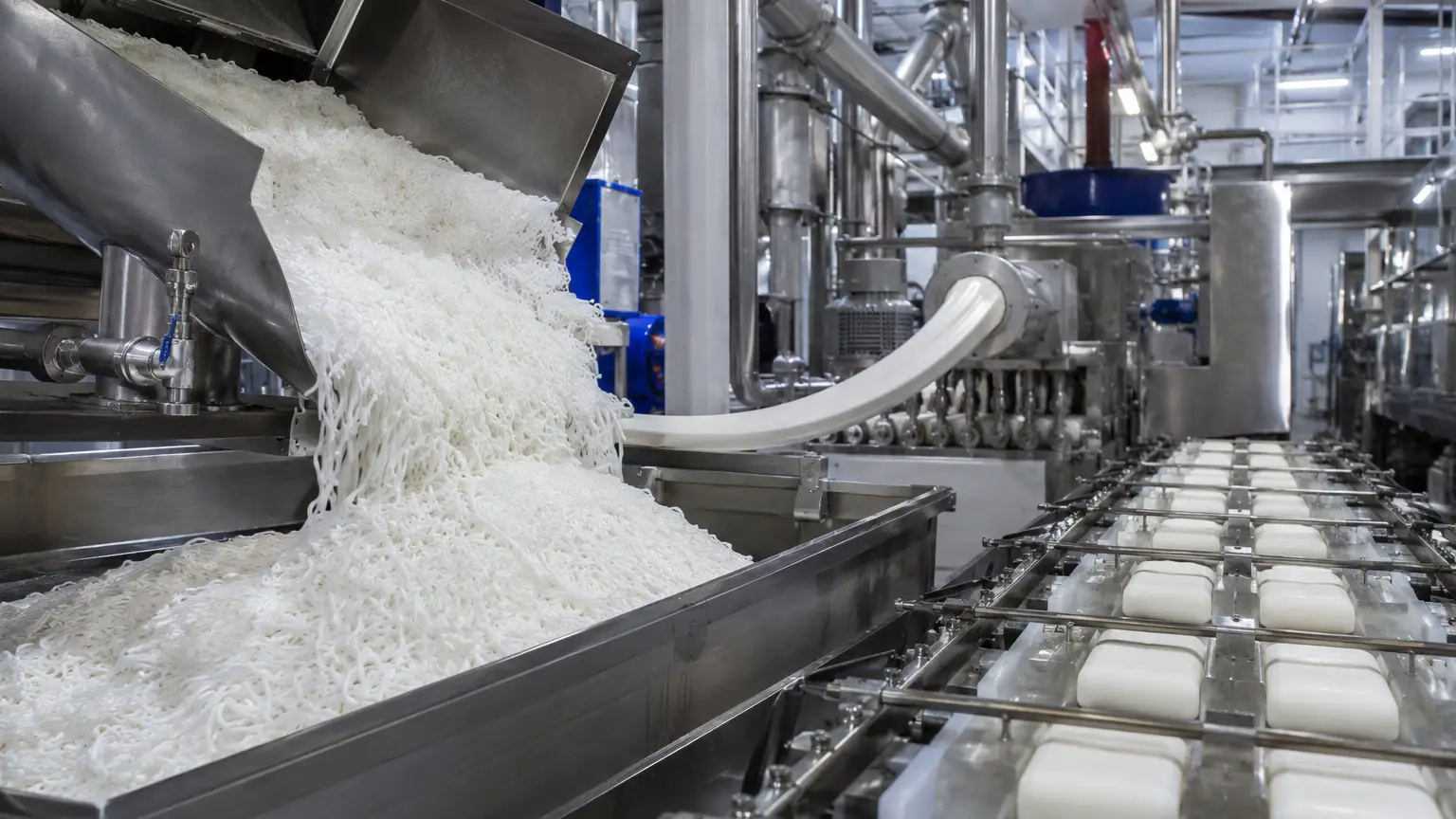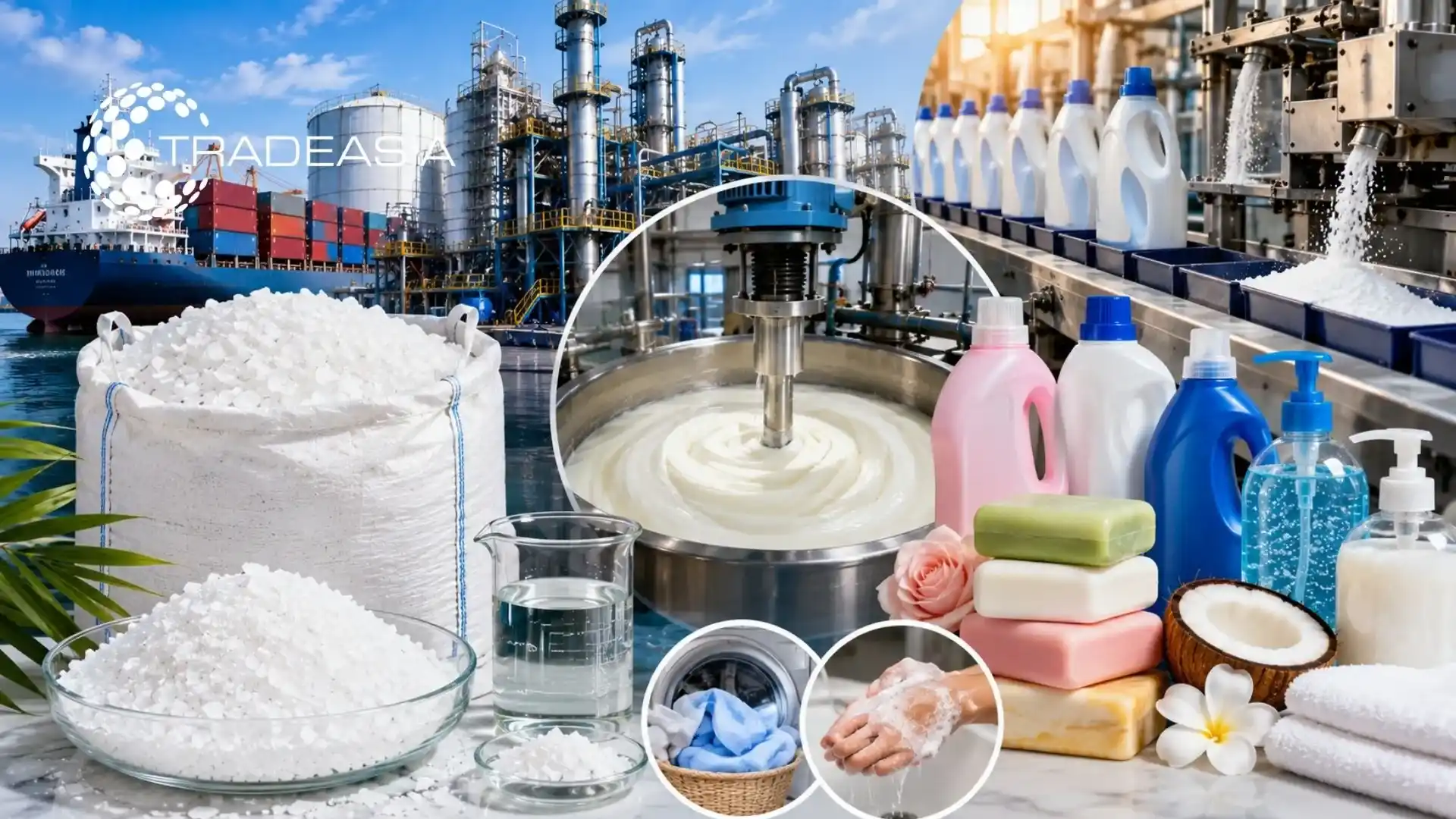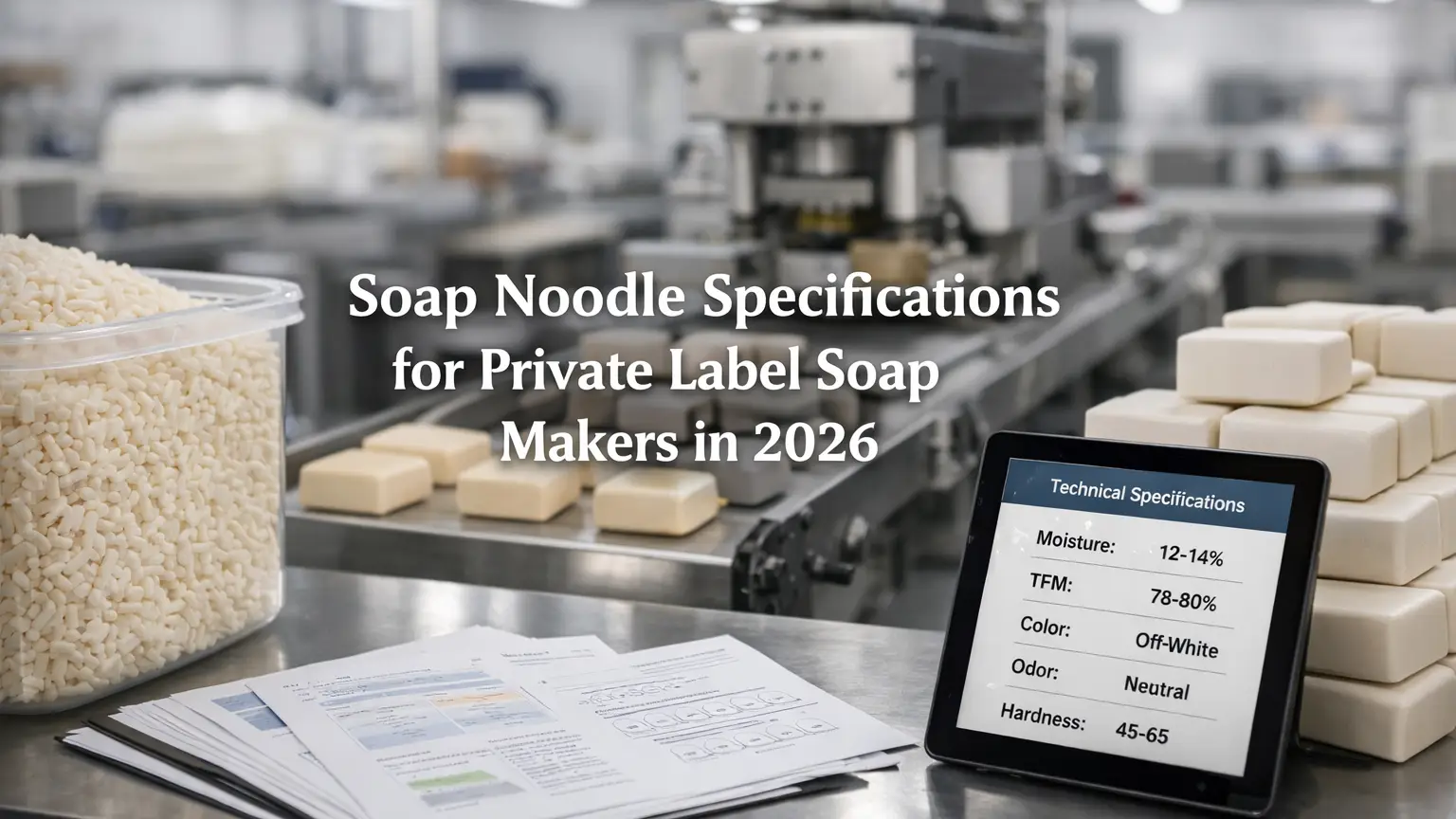
Introduction Sodium Lauryl Ether Sulphate
In the vast and competitive landscape of industrial cleaning and personal care, the quest for effective, cost-efficient, and versatile raw materials is perpetual. For global manufacturers of soaps, detergents, and cleaning formulations, one ingredient consistently stands out as a cornerstone: Sodium Lauryl Ether Sulphate (SLES). As a primary anionic surfactant, SLES is the workhorse behind the rich lather, superior cleaning power, and viscosity of countless products found on shelves worldwide. For procurement specialists, R&D managers, and business owners, navigating the global market for SLES requires more than just finding a supplier; it demands a deep understanding of product specifications, regional market dynamics, quality benchmarks, and evolving application needs.
This comprehensive guide is designed for the professional buyer seeking to make informed, strategic decisions in sourcing SLES. We will delve beyond basic product descriptions to explore the critical factors that influence purchasing, from ethoxylation degree and active matter content to sustainability trends and geopolitical supply chain considerations. Whether you are formulating a new liquid dish soap, scaling production of a flagship laundry detergent, or seeking a reliable partner for consistent quality, the insights provided here will equip you with the knowledge to optimize your supply chain and enhance your final product's performance.
Understanding SLES: A Key Surfactant for Modern Cleaning
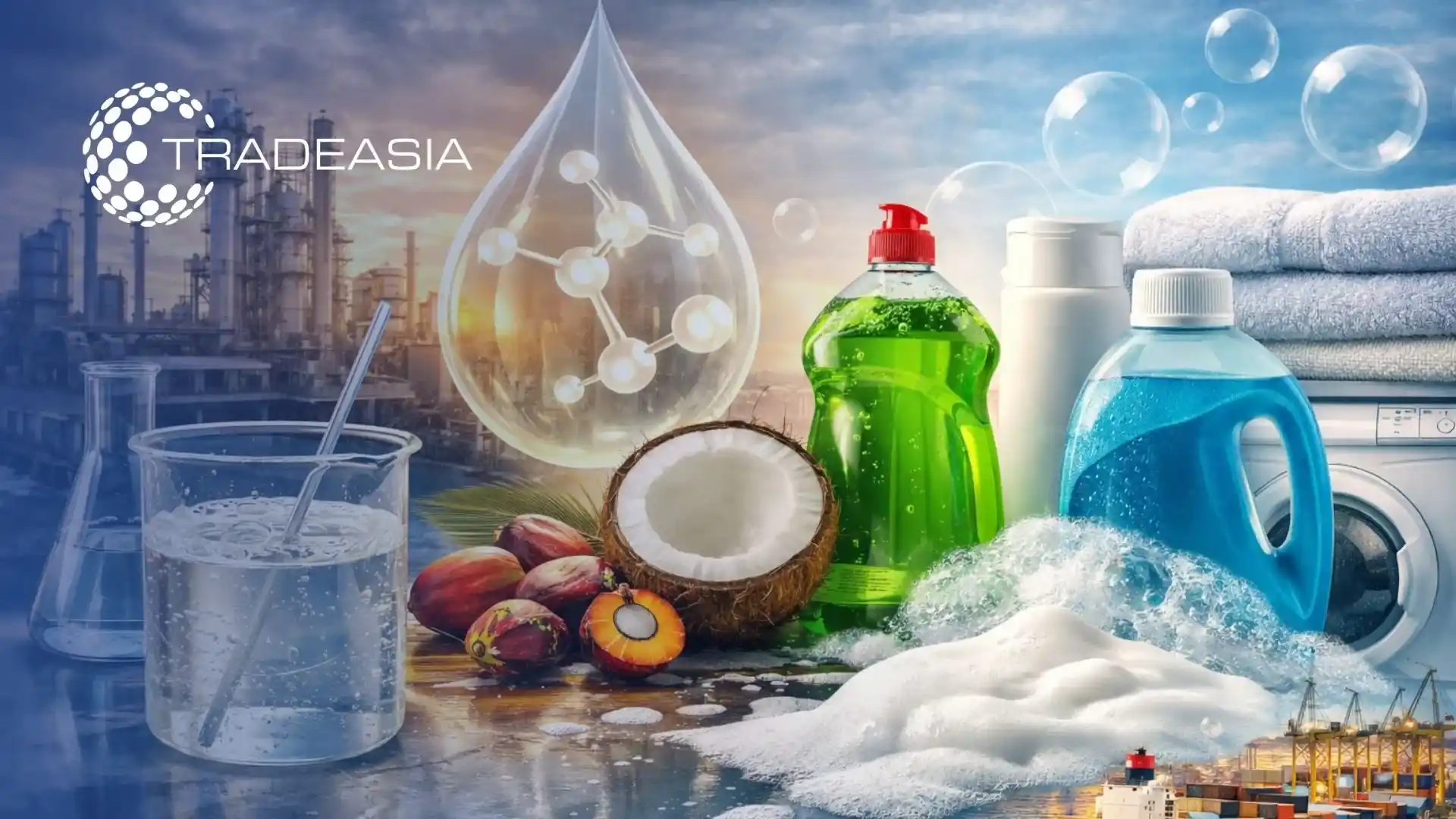
Sodium Lauryl Ether Sulphate (SLES) is not a single compound but a family of surfactants produced through a two-step process. First, lauryl alcohol (derived from coconut or palm kernel oil) is ethoxylated, meaning it is reacted with ethylene oxide. The number of ethylene oxide moles added defines the "ethoxylation degree" (e.g., SLES-2, SLES-3). This ethoxylated alcohol is then sulphated and neutralized with sodium carbonate or hydroxide to produce the final SLES. This chemical engineering is crucial as it modifies the properties of the base surfactant, Sodium Lauryl Sulphate (SLS), making it milder on the skin while improving its solubility in water and compatibility with other ingredients.
The fundamental value of SLES lies in its exceptional surface-active properties. It dramatically reduces the surface tension of water, allowing it to penetrate fabrics and surfaces more effectively, lifting away grease, oil, and dirt. Its excellent foaming characteristics, even in hard water, are highly desirable in consumer products where lather is equated with cleaning efficacy. Furthermore, SLES acts as a viscosity modifier; in combination with salts, it can thicken liquid formulations, giving body shampoos, hand soaps, and dish liquids their preferred, luxurious consistency. This combination of cleaning, foaming, and thickening makes it an indispensable and often irreplaceable component in many formulations.
Global Market Dynamics and Sourcing Trends for SLES
The global market for SLES is a multi-billion-dollar industry, deeply intertwined with the fortunes of the fast-moving consumer goods (FMCG) sector. Asia-Pacific, led by manufacturing giants like China and India, dominates both production and consumption, driven by rising disposable incomes, urbanization, and increased hygiene awareness. Europe and North America remain significant markets with a stronger emphasis on high-purity grades and sustainable sourcing. However, the market is not static. A major trend is the volatility in the price of key feedstocks, such as ethylene oxide and palm kernel oil. Geopolitical events, trade policies, and logistical bottlenecks can cause significant price fluctuations, making strategic sourcing and long-term supplier relationships critical for buyers.
Another powerful trend reshaping the SLES procurement landscape is the growing demand for green and sustainable chemistry. Buyers, especially those supplying brands with public ESG (Environmental, Social, and Governance) commitments, are increasingly scrutinizing the origin of raw materials. There is rising interest in SLES derived from RSPO (Roundtable on Sustainable Palm Oil) certified palm sources or from bio-based ethylene oxide. Furthermore, the push for concentrated and compact detergents, which use less water and packaging, requires high-active, low-salt variants of SLES. Savvy buyers are now evaluating suppliers not just on price, but on their ability to provide transparency in the supply chain, certified sustainable options, and products that enable next-generation formulations.
Key Specifications and Quality Parameters for Buyers
When issuing a tender or evaluating a SLES supplier, technical specifications are the primary language of quality. The most critical parameter is the Active Matter content, typically expressed as a percentage (e.g., 70%, 28%). This indicates the actual amount of surfactant present, with the remainder being water, salts (like sodium sulphate), and sometimes small amounts of unreacted materials. High-active pastes (70%) are cost-effective for large-scale manufacturers with dilution capabilities, while low-active liquids (28%) offer easier handling for smaller operations. The Degree of Ethoxylation (moles EO) is equally vital. SLES-2 is common for high-foaming applications like shampoos, while SLES-3 offers slightly better mildness and solubility, often preferred for hand soaps.
Beyond these, several other parameters demand attention. Colour (often measured in Hazen units) is important for clear or lightly colored finished products; a low Hazen value indicates higher purity. Viscosity affects pumping and handling during production. The pH of the supplied material must be compatible with your formulation to avoid instability. Crucially, the levels of by-products like unsulphated matter (unreacted alcohol ethoxylate) and sodium sulphate must be within agreed limits, as they can affect performance, mildness, and clarity. Reputable suppliers, such as those accessible through platforms like chemtradeasia, provide comprehensive technical data sheets (TDS) and material safety data sheets (MSDS/SDS) that detail these specifications, which buyers must rigorously compare against their internal quality standards.
Applications of SLES Across the Soap and Detergent Industry
The application spectrum of Sodium Lauryl Ether Sulphate is remarkably broad, underpinning the functionality of products across domestic, industrial, and personal care segments. In Laundry Detergents, both liquid and powder, SLES serves as a primary surfactant for stain removal and soil suspension. Its compatibility with enzymes, builders, and optical brighteners makes it a formulation staple. For Dishwashing Liquids, its high foaming power and excellent degreasing capability on oily food soils are paramount. Modern formulations often pair it with amphoteric surfactants like cocamidopropyl betaine to boost foam stability and skin mildness, addressing consumer demand for gentler products.
In the realm of Personal Cleansing, SLES is ubiquitous. Shower gels, bubble baths, and liquid hand soaps rely on it for copious, stable lather and a pleasant skin feel. Its ability to be thickened with salt allows for the creation of rich, pearlescent gels that are market favorites. Beyond these common uses, SLES finds roles in household all-purpose cleaners, car wash shampoos, and even in industrial and institutional (I&I) cleaning formulations where effective cleaning at an economical cost is required. The specific grade chosen—varying in active matter, ethoxylation degree, and salt content—is meticulously selected by formulators to achieve the desired balance of cleaning, foaming, viscosity, and mildness for each unique product.
Conclusion
For global buyers in the soap and detergent industry, sourcing Sodium Lauryl Ether Sulphate (SLES) is a strategic function that directly impacts product quality, cost competitiveness, and brand reputation. Success in this endeavor hinges on a multifaceted approach: a solid grasp of technical specifications, an awareness of global market forces and sustainability trends, and a disciplined process for supplier evaluation. By prioritizing suppliers who offer not just competitive pricing but also technical support, consistent quality, supply chain transparency, and alignment with environmental goals, procurement professionals can secure a vital raw material that fuels innovation and market success.
Navigating this complex landscape is facilitated by leveraging specialized B2B platforms and networks that connect buyers with vetted suppliers. Resources that provide market intelligence, supplier verification, and streamlined inquiry processes, such as chemtradeasia, can be invaluable tools in building a resilient and optimized supply chain for essential chemicals like SLES. As formulations evolve and consumer expectations rise, the informed buyer will continue to be a key driver of progress in the dynamic world of cleaning and personal care chemistry.
Disclaimer: This article is for informational and market insight purposes only. It is not intended as technical, safety, or professional advice for formulation, handling, or regulatory compliance. The data and trends mentioned are based on general market observations and should be independently verified. Readers are strongly advised to consult official technical documentation (including MSDS/SDS), conduct their own due diligence, and engage with qualified experts or contact our team for specific application requirements, safety protocols, and precise product specifications.